Bestseller #1

Bestseller #2

Bestseller #3

Bestseller #4

Bestseller #6

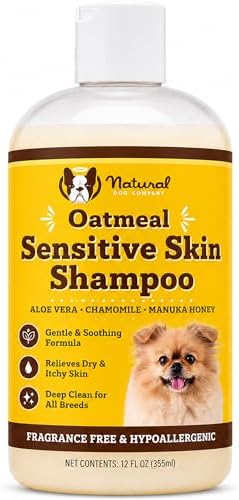
Traditional pet shampoos often rely on harsh surfactants, synthetic fragrances, and preservatives to create a “clean” experience. However, these ingredients can be counterproductive. For instance, sulfates (like SLS) are excellent at creating foam but are notorious for stripping away the natural oils that protect a pet’s skin and coat.
Bestseller #1

Bestseller #2
Bestseller #3

Bestseller #4

Bestseller #5

Bestseller #6
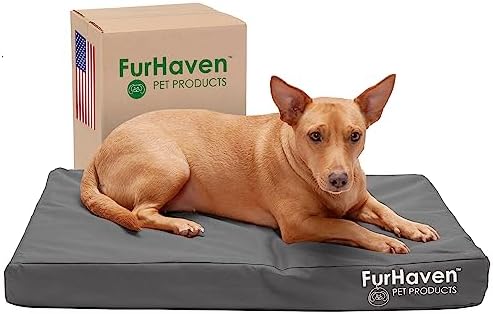
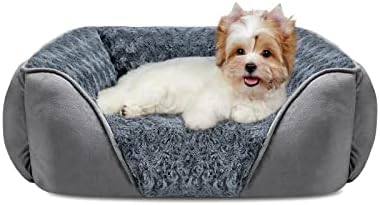
Pets are “den animals” by nature. Having a dedicated space provides a “safe zone” during stressful times, like thunderstorms or loud parties. A raised-edge (bolstered) bed acts as a physical security barrier, helping them settle down faster.
Bestseller #1

Bestseller #2

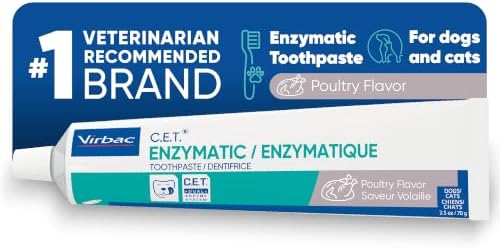
The gold standard for pet dental care is daily brushing. It might seem like a daunting task at first, but the benefits are undeniable. When you use a toothbrush designed for pets—often featuring softer bristles and angled heads—you are physically scrubbing away the film of bacteria known as plaque
Bestseller #1
Bestseller #2

Bestseller #3

Bestseller #4

Bestseller #5
Bestseller #6

Bestseller #7

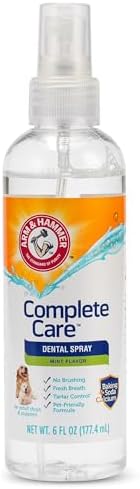
While brushing is the heavy lifter, pet mouthwash (often sold as a water additive) is the perfect supporting player. Not every pet is a fan of having a brush in their mouth, and even the most cooperative dogs have hard-to-reach nooks and crannies.

Bestseller #2

Bestseller #3

Bestseller #4

Bestseller #5

Bestseller #6
Bestseller #7

Bestseller #8

Bestseller #9

Bestseller #10

Bestseller #11

Bestseller #1

Bestseller #2

Bestseller #3
Bestseller #4

Bestseller #5
